Vintage Reptile & Insect Drawing Shirts
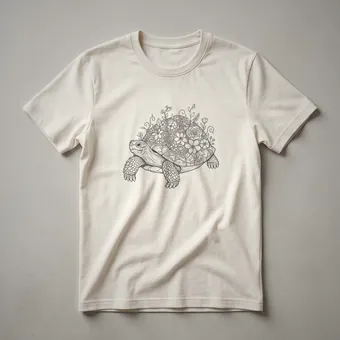
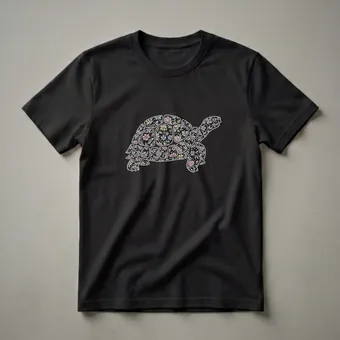
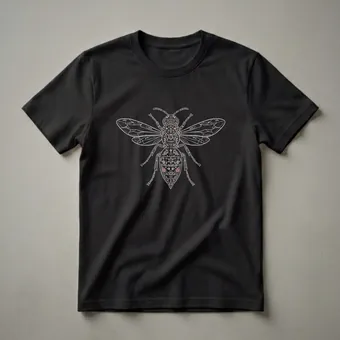
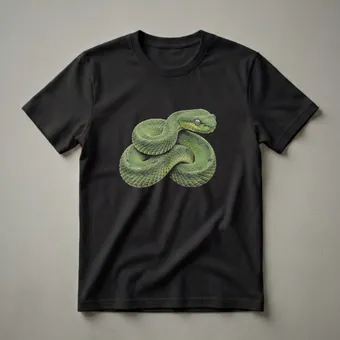
239 vintage reptile and insect illustration shirts, snakes, lizards, beetles, butterflies, and the full cast of creeping creatures rendered with naturalist precision.
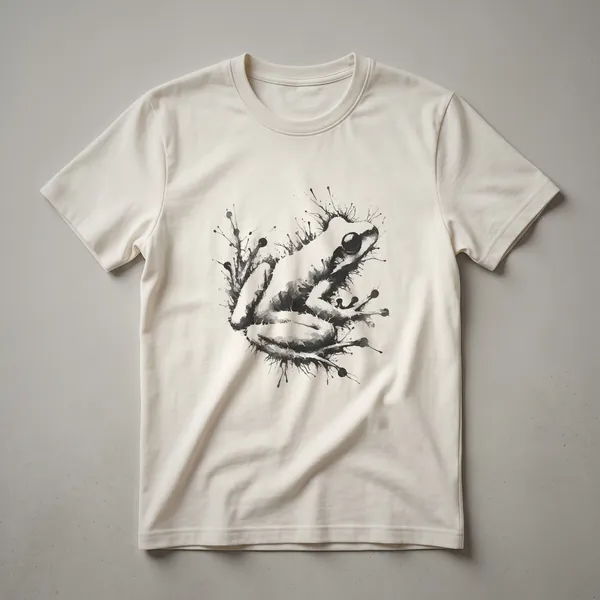
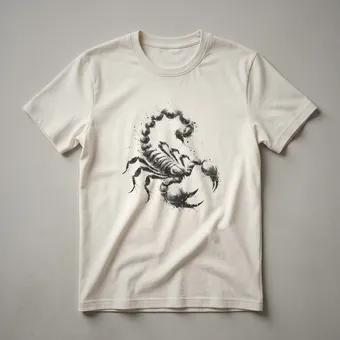
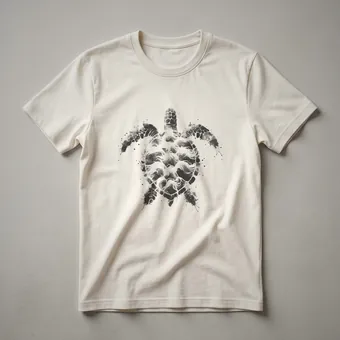
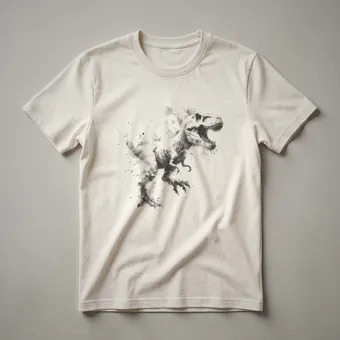
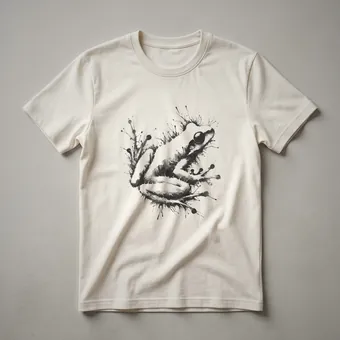
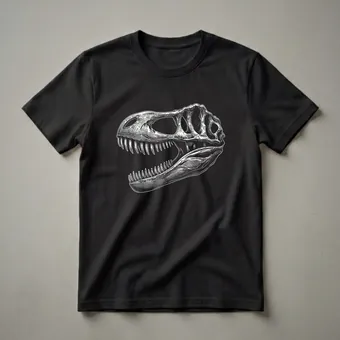
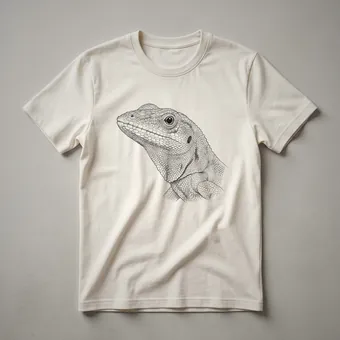
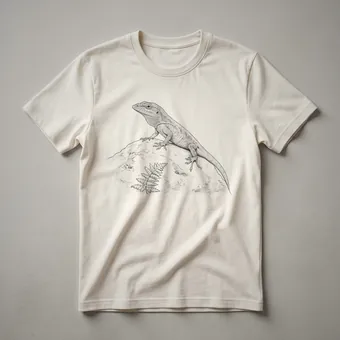
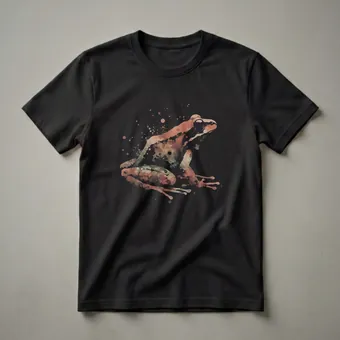
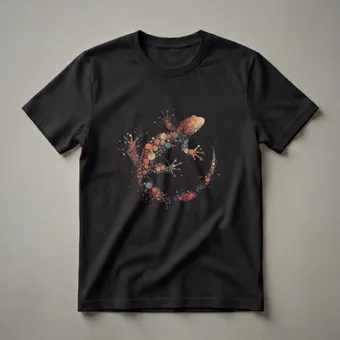
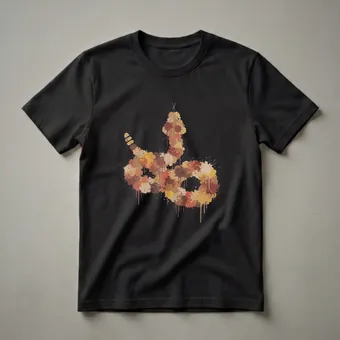
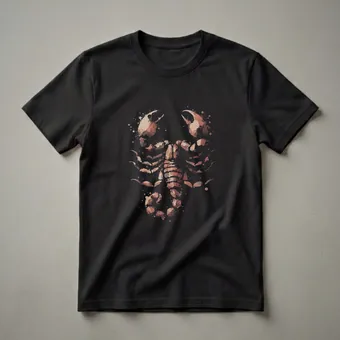
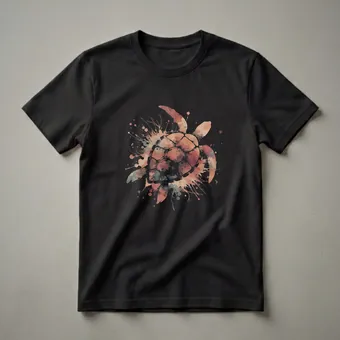
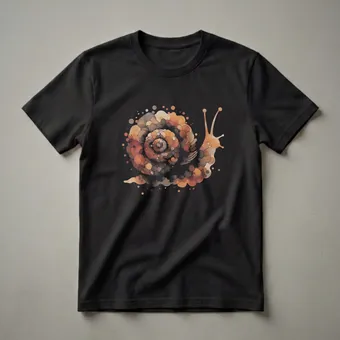
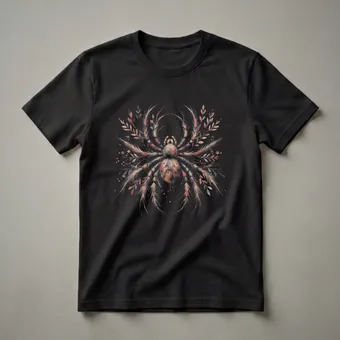
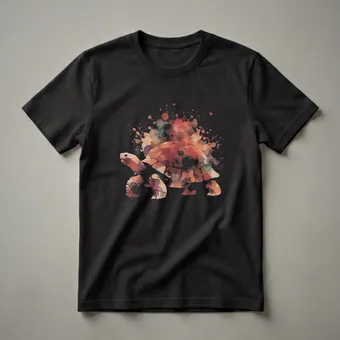
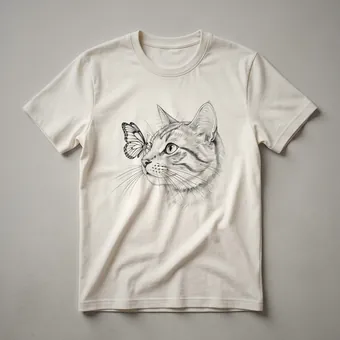
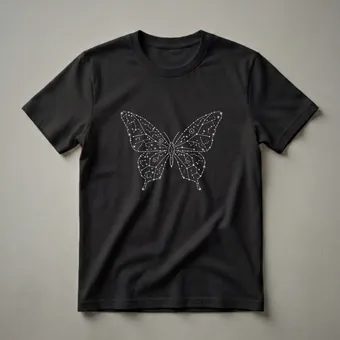
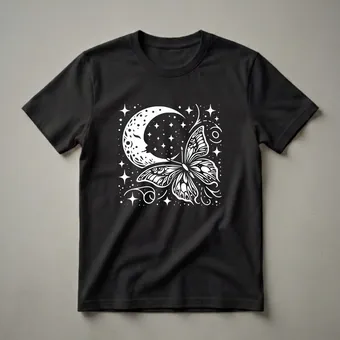
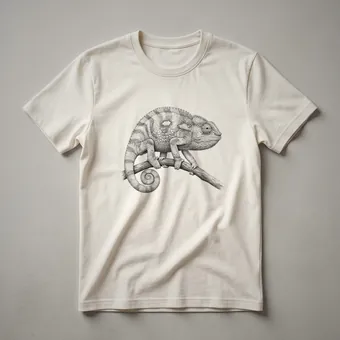
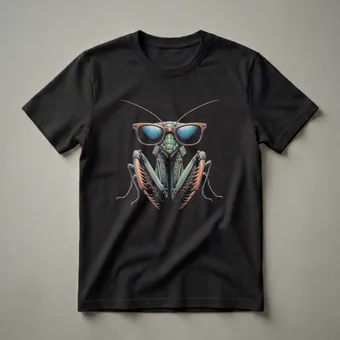
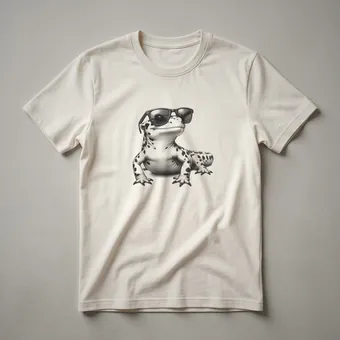
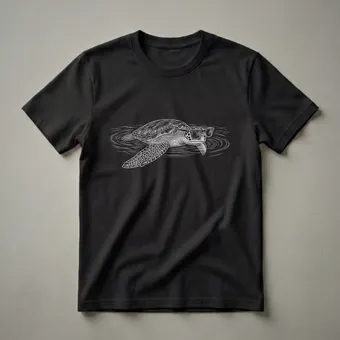
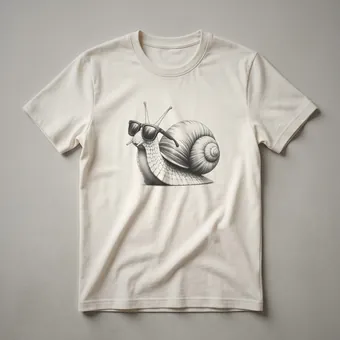
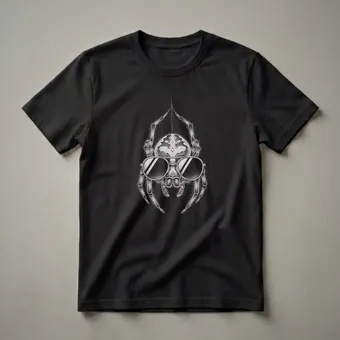
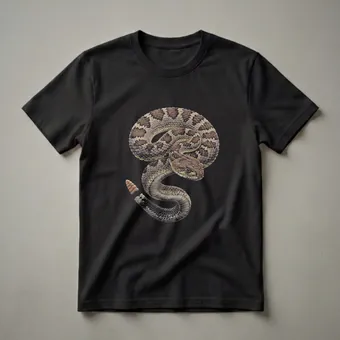
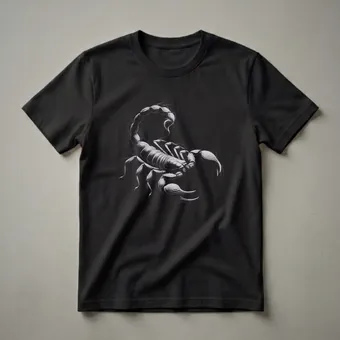
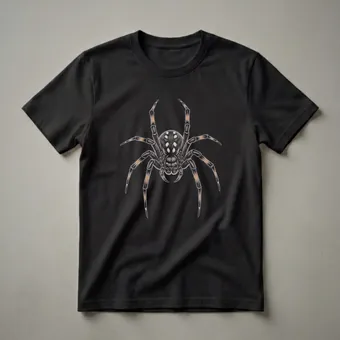
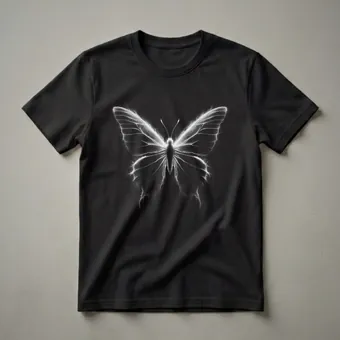
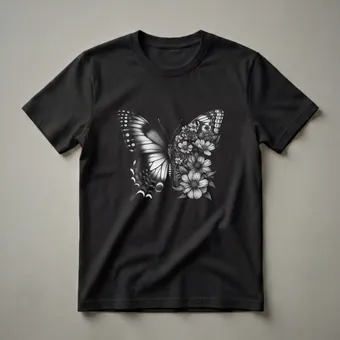
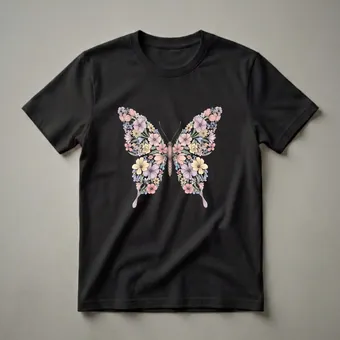
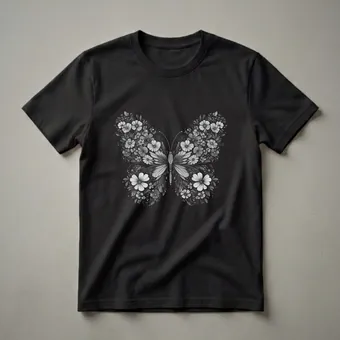
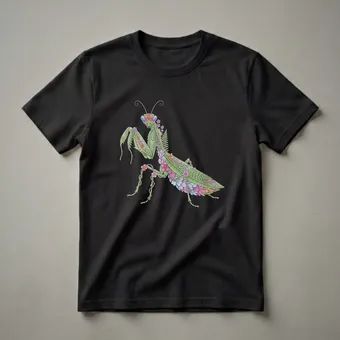
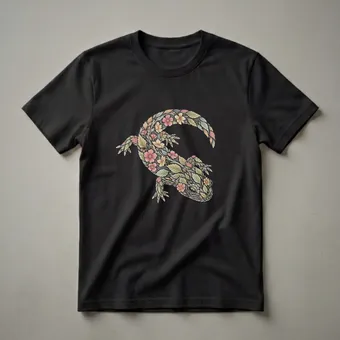
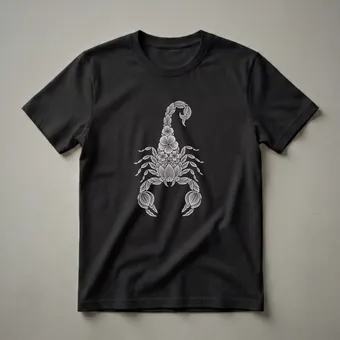
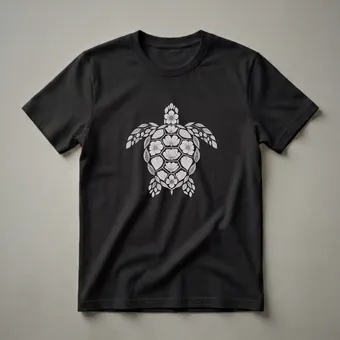
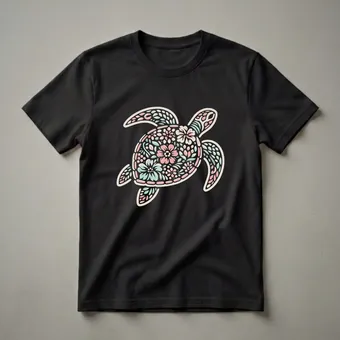
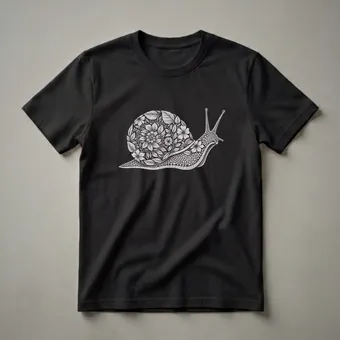
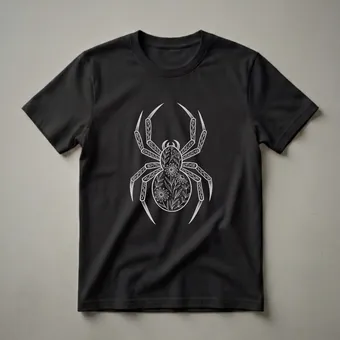
About this collection.
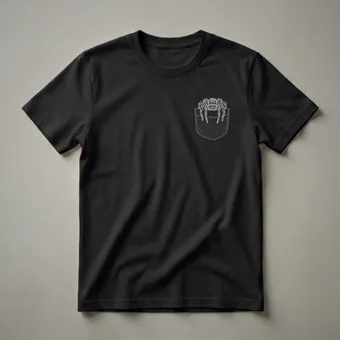
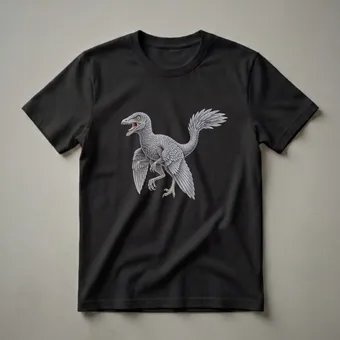
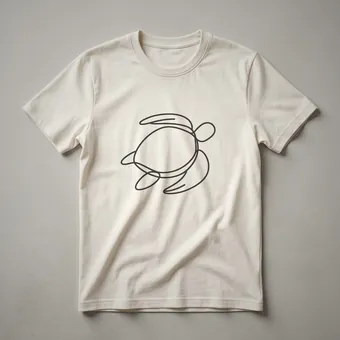
Reptiles and insects occupy a distinct category in the natural world, the animals many people are least likely to approach in the wild are often the ones most capable of holding someone's sustained attention as subjects of illustration. There's a specific kind of person who finds a beautifully rendered beetle as compelling as a hawk portrait, and the 239 designs in this hub were made for them. Snakes in careful profile, lizards with every scale represented, beetles with their iridescent geometry translated into engraving-style line work. These are the shirts for people who know that interesting and charismatic are not the same thing.
Browse the Designs
239 designs covering reptiles, insects, and their kin, all rendered in vintage naturalist illustration style.
What Defines This Hub
The subjects here are the subjects that most art tends to skip: snakes, lizards, turtles, frogs and salamanders (the herpetofauna), and the enormous diversity of the insect world, beetles, butterflies, moths, dragonflies, mantises, and more. The vintage illustration treatment is, if anything, more suited to these subjects than to mammals or birds, because the naturalist tradition historically gave equal attention to every organism. Entomology and herpetology have their own deep illustration archives, and these designs draw from them.
The visual approach follows the same commitments as the other vintage illustration hubs:
Species legibility, the snake's scale pattern and head shape, the beetle's elytra geometry, the butterfly's wing markings are all rendered with enough accuracy that someone familiar with the group will recognize the species or at least the genus. This is not cartoon snake or generic beetle, it is this snake, this beetle.
Naturalist technique, engraving-style line work, careful cross-hatching for three-dimensional form, the use of hatching and stippling to render texture in ways that photographs often fail to capture. Insect illustrations in particular benefit from engraving technique because it communicates the physical structure of an exoskeleton in ways that feel tactile.
Specimen presentation, some designs use the classic specimen board aesthetic, with the organism pinned or positioned as if for study, sometimes with labels. This references the museum natural history tradition directly.
Compound and multiplied compositions, some designs feature multiple related species together (a collection of beetles, a moth plate with multiple specimens), which is a visual format specific to natural history illustration and gives these shirts a different compositional density than single-subject portraits.
The hub splits roughly between reptile-focused and insect-focused designs, with some crossover in the amphibian and arachnid subjects. Both are well-served.
Who It Fits and Gift Context
The audience here is knowingly niche, and that's precisely the point. This hub isn't trying to serve general nature lovers; it's serving people with a specific relationship to these animals. Herpetologists and herpetology enthusiasts. Entomologists and field naturalists. People who keep reptiles as pets and bring the same intellectual engagement to their hobby as a birder brings to birding. Insect photographers. The collector who posts macros of beetles and gets genuinely excited about it.
Gifting within this audience works best when the specificity is acknowledged. A shirt featuring a precisely drawn species, the kind of snake someone keeps, or the beetle genus they study, communicates that you paid attention in the same way a breed portrait shirt does for dog lovers. The naturalist treatment makes it feel like a considered object rather than a novelty.
For people outside this specific community, these designs can still land well if the recipient has a general appreciation for unusual subjects treated with craft. The aesthetic quality of a vintage insect illustration is accessible to anyone who values illustration, you don't need to love beetles specifically to recognize that this is well-drawn and interesting.
These are also genuinely strong designs for people working in biology education, the kind of shirt that makes sense in a classroom, at a natural history museum, or at a field station.
Featured Picks
The hub's standout designs, strongest entomology plates, most precise reptile portraits, and the multiplied specimen compositions that fully commit to the naturalist archive aesthetic.
Related Hubs
For the same subjects in a more contemporary illustration style, Reptile, Insect & Creature Shirts. For the naturalist tradition applied to birds, Vintage Bird Drawing Shirts.
Frequently asked questions
Are there designs for specific snake or lizard species, or just generic reptiles?
The hub aims for species legibility — the goal is that a herpetologist would recognize the subject. Coverage varies, with more common or visually distinctive species better represented than rare or obscure ones. If you're looking for a specific herp, it's worth browsing the full hub before concluding it's not there.
How does this hub differ from the Reptile, Insect & Creature hub?
This hub (vintage reptile & insect drawings) uses the naturalist scientific illustration tradition as its visual foundation — engraving style, specimen accuracy, archival quality. The reptile, insect & creature hub uses more contemporary illustration styles and is less bound to naturalist accuracy. Same subjects, different design languages.
Are butterfly and moth designs in this hub or somewhere else?
Yes — lepidoptera (butterflies and moths) are within this hub's scope. The insect illustration tradition gave particular attention to moths and butterflies, and the designs reflect that. Both single-species portraits and multi-specimen plate compositions are represented.